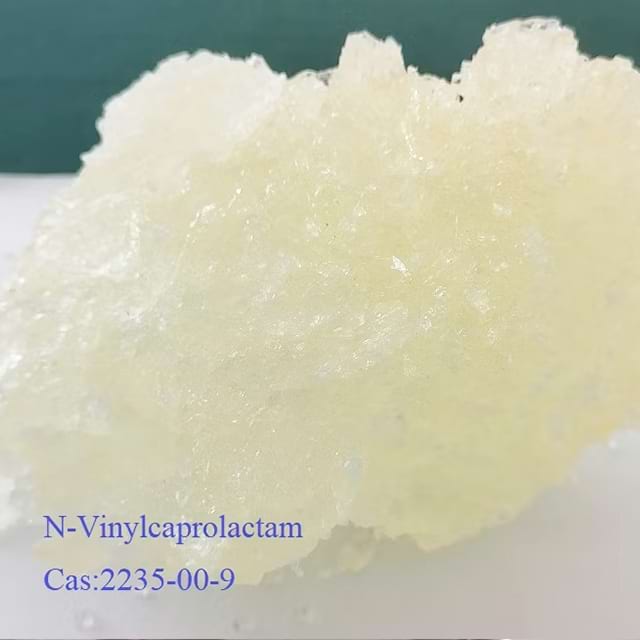
The commercial reliance on stimuli-responsive polymers has elevated the industrial importance of poly(N-vinylcaprolactam) (PVCL). We see this specifically in applications requiring precise thermal triggers, enhanced solubility, and high biocompatibility. Achieving consistent batch-to-batch quality—specifically regarding molecular weight distribution and the Lower Critical Solution Temperature (LCST)—is notoriously difficult. Minor deviations in reaction conditions drastically alter the polymer's hydration state, mechanical strength, and solubility profile. Formulators and chemical engineers must establish strict control over the variables governing N-vinylcaprolactam polymerization. Without precise calibration, manufacturers risk producing unstable gels or brittle films that fail under real-world conditions. This guide breaks down the reaction parameters, structural trade-offs, and implementation risks that dictate final product viability for biomedical and industrial applications.
Temperature Dictates Conformation: Polymerization temperature relative to the LCST (typically ~32°C) fundamentally alters the phase behavior and nanostructure of the resulting polymer, with high-temperature synthesis driving microgel and nanogel formation.
Composition Controls Kinetics: The specific ratio of monomer, solvent, and initiator strictly governs the rate and degree of N-vinylcaprolactam polymerization, directly impacting molecular weight and yield.
Additives Define Mechanics: Post-polymerization product quality—such as polyvinylcaprolactam film flexibility or adhesive tack—relies heavily on precise polymer-to-plasticizer ratios and the inherent hydrophobicity of the caprolactam ring.
Purity is Application-Critical: Residual monomer limits must be aggressively managed through optimized reaction completion and purification, particularly for FDA-regulated drug delivery systems and biocompatible blends.
Table of Contents
Toggle
Basics of N-Vinylcaprolactam Polymerization
Problem Framing
N-Vinylcaprolactam (NVCL) polymerization requires careful control when scaling from laboratory experiments to industrial production. Changes in heat transfer, mixing, and reaction conditions can affect polymer molecular weight and thermal properties. Understanding NVCL reactivity helps manufacturers maintain consistent Poly(N-vinylcaprolactam) (PVCL) quality.
Free-radical polymerization is a common method for converting NVCL monomers into PVCL polymers. The reaction involves three main stages that influence polymer chain growth and molecular weight distribution.
Polymerization Stage
Main Process
Impact on Polymer Quality
Initiation
Radicals activate NVCL monomers
Controls the start of chain formation
Propagation
Monomers join growing polymer chains
Influences molecular weight
Termination
Active polymer chains stop growing
Affects final chain length and distribution
Proper initiator selection, temperature control, and reaction monitoring help maintain consistent polymerization performance.
The Role of the Caprolactam Ring
The caprolactam ring gives PVCL its distinctive amphiphilic and thermoresponsive properties. Its hydrophobic carbon structure and hydrophilic amide group influence hydrogen bonding, solubility, and polymer interactions. These characteristics support potential applications in coatings, specialty polymers, and temperature-responsive biomedical materials.
N-Vinylcaprolactam (NVCL) polymerization is influenced by reaction temperature, monomer concentration, solvent composition, and initiator selection. Controlling these parameters helps regulate polymer molecular weight, thermal responsiveness, and final product quality.
Evaluation Dimensions
PVCL polymerization performance can be evaluated through monomer conversion, reaction temperature, molecular weight, and polymer solubility. Monitoring these factors helps manufacturers maintain consistent reaction conditions and achieve the required polymer properties.
Temperature and the LCST Threshold
Polyvinylcaprolactam (PVCL) exhibits thermoresponsive behavior, with an LCST commonly reported near 32–33°C in water under certain conditions. Temperature changes affect polymer hydration and solubility, influencing particle formation and final structure. Reaction temperature must therefore be controlled according to the selected polymerization method.
Reaction Mixture Composition and Monomer Concentration
NVCL monomer concentration affects polymerization rate, solution viscosity, and molecular weight development. Excessively concentrated reaction mixtures may create mixing and heat-transfer difficulties, while solvent composition influences polymer solubility and phase behavior. Optimizing the formulation helps maintain stable processing conditions.
Initiator Selection and Dosage
Polymerization initiators influence reaction speed, molecular weight, and polymer chain characteristics. Higher initiator concentrations generally increase radical generation but may produce shorter polymer chains. Selection should consider reaction temperature, solvent compatibility, and required polymer properties.
Initiator Type
Common Temperature Range
Typical Application
Potassium Persulfate (KPS)
60–80°C
Aqueous polymerization
AIBN
50–70°C
Organic solvent polymerization
APS/TEMED Redox System
20–40°C
Lower-temperature polymerization
Temperature ranges are illustrative and depend on formulation and reaction conditions.
Testing Final Polymer Quality and Performance
PVCL quality testing focuses on molecular weight, thermal responsiveness, mechanical properties, and formulation stability. These characteristics determine whether the polymer meets the requirements of biomedical research, coatings, adhesives, and other industrial applications.
Features-to-Outcomes
NVCL polymerization parameters directly influence the performance of the resulting polymer. Temperature and initiator concentration affect molecular structure, while solvent selection and formulation composition influence solubility, viscosity, and film properties.
Molecular Weight Control and Distribution
PVCL molecular weight affects viscosity, mechanical strength, and thermal response. Controlled polymerization methods, including RAFT and ATRP, can help produce narrower molecular weight distributions when required. Consistent molecular weight control supports reproducible polymer performance.
Thermoresponsive Behavior and Hydration States
Thermoresponsive PVCL polymers change their hydration and solubility as temperature varies. Their LCST can be adjusted through copolymerization, solvent selection, and formulation design. This makes NVCL-based polymers useful for temperature-sensitive materials and controlled-release research.
PVCL film properties depend on molecular weight, polymer concentration, and additives. Plasticizers such as polyethylene glycol or glycerol may improve flexibility, while excessive addition can reduce mechanical strength or increase tackiness. Appropriate formulation adjustments help achieve the required film performance.
Quality Standards for Different End Uses
NVCL-based polymer quality requirements vary by application. Industrial coatings prioritize viscosity, adhesion, and stability, while biomedical research applications require additional evaluation of purity, residual chemicals, and biological compatibility.
Scalability & Compliance
PVCL production scale-up requires consistent raw material quality, controlled reaction conditions, and reliable quality testing. Manufacturers should establish specifications for polymer composition, residual monomers, molecular weight, and final performance according to the intended application.
Biomedical and Drug Delivery Systems
PVCL nanogels are being investigated for temperature-responsive drug delivery and other biomedical applications. Their swelling behavior may help control the release of encapsulated compounds. However, biomedical use requires careful evaluation of residual monomers, biocompatibility, toxicity, and application-specific regulatory requirements.
Industrial Adhesives, Inks, and Coatings
N-Vinylcaprolactam is used in formulations for coatings, inks, and adhesives, where it can contribute to reactive dilution and polymer performance. NVCL-derived polymers can also be investigated for rheology control, film formation, and temperature-responsive functionality.
Explore MSN Chem's Industrial Chemicalscategory for related chemical raw materials.
Production Risks and Fixing Process Issues
NVCL polymerization challenges include excessive reaction heat, residual monomers, inconsistent thermal behavior, and undesirable polymer properties. Proper process monitoring and formulation control help reduce batch variability and improve finished product quality.
Common Polymerization Risks and Solutions
Process Risk
Possible Cause
Recommended Solution
Excessive Reaction Heat
Rapid polymerization
Control feeding and cooling
High Residual Monomer
Incomplete conversion
Optimize reaction and purification
Inconsistent LCST
Formulation or molecular weight variation
Standardize process conditions
Brittle Polymer Films
Unsuitable molecular weight or additives
Adjust formulation composition
Managing Exothermic Reactions at Scale
NVCL free-radical polymerization releases heat that must be controlled during production. Excessive temperatures may affect polymer structure and product consistency. Controlled monomer feeding, appropriate agitation, and efficient reactor cooling help maintain stable reaction conditions.
Controlling Residual Monomer Levels
Residual NVCL monomer can affect polymer purity and application suitability, particularly in biomedical research. Manufacturers should optimize polymerization conditions and use appropriate purification methods, such as precipitation, dialysis, or filtration, where applicable. Analytical testing helps verify residual monomer levels against defined specifications.
Mitigating Unwanted Conformational Changes
PVCL hydration and phase behavior depend on temperature, concentration, and formulation composition. Variations in storage or processing conditions may change polymer performance. Controlling temperature, moisture exposure, and solution concentration helps maintain consistent thermoresponsive properties.
Conclusion
Successful synthesis requires a highly controlled environment where temperature, initiator concentration, and mixture composition are precisely calibrated. These variables dictate the rate of reaction, the degree of polymerization, and ultimately, the desired end-use properties. Whether formulating for advanced drug delivery or robust industrial coatings, mastering these parameters ensures product viability.
When evaluating NVCL monomers or pre-synthesized PVCL blends, prioritize suppliers that provide comprehensive analytical data. Look for verifiable molecular weight distributions, detailed TGA profiles, and strictly documented residual monomer limits. Transparency in these metrics indicates a controlled, scalable manufacturing process.
Review technical data sheets to verify specific polymer-to-plasticizer compatibility for your intended film applications before beginning pilot runs.
Request physical samples to conduct pilot-scale LCST testing within your specific solvent systems to confirm thermal trigger points.
Audit supplier purification protocols to ensure residual monomer levels meet the strict compliance standards required for biomedical use.
Implement continuous inline monitoring for exotherm control during your own scale-up procedures to prevent runaway reactions.
FAQ
Q: What is the typical LCST of poly(N-vinylcaprolactam)?
A: The Lower Critical Solution Temperature (LCST) of pure PVCL in water is typically around 32°C to 34°C. However, this threshold shifts based on molecular weight, polymer concentration, and specific blend formulations. Copolymerizing with hydrophilic or hydrophobic monomers allows engineers to tune this temperature for specific applications.
Q: How does temperature affect the synthesis process?
A: Reaction temperature dictates the choice of thermal initiator and determines whether the polymer precipitates during synthesis. Polymerizing above the LCST (e.g., at 70°C) intentionally triggers phase separation. This high-temperature approach is the standard method for producing stable nanogels and microgels directly in the reactor.
Q: What role does the caprolactam ring play in product quality?
A: The caprolactam ring provides a unique balance of hydrophilicity from the amide group and hydrophobicity from the carbon ring. This structure results in an amorphous polymer that imparts strong adhesiveness, mechanical strength, complexing capability, and excellent biocompatibility compared to other synthetic alternatives.
Q: How do you control the mechanical properties of PVCL films?
A: The mechanical properties of polyvinylcaprolactam films depend heavily on the formulation composition. You must optimize the precise ratio of polymer to plasticizer during the blending phase. Proper plasticizer integration ensures adequate flexibility, prevents embrittlement, and maintains the film's barrier properties under physical stress.
Q: Why is residual monomer a concern in production?
A: Unreacted N-vinylcaprolactam monomer exhibits toxicity and can cause skin irritation. For biomedical applications like drug delivery systems and antiviral nanogels, residual monomer must be aggressively reduced to trace levels through dialysis or precipitation to ensure strict biocompatibility and meet regulatory compliance.
Q: What initiators are commonly used for this reaction?
A: Thermal initiators are standard for initiating the free-radical polymerization of NVCL. Water-soluble persulfates like Potassium Persulfate (KPS) are frequently used in high-temperature aqueous environments. Conversely, azo compounds like AIBN are preferred in organic solvents or when uncharged polymer end-groups are required.
Nanjing MSN Chemical Co., Ltd. is a professional chemical company specializing in the global distribution of high-quality chemical products. With 20 years of industry expertise, we are committed to providing innovative solutions and reliable services to meet the diverse needs of our clients worldwide.