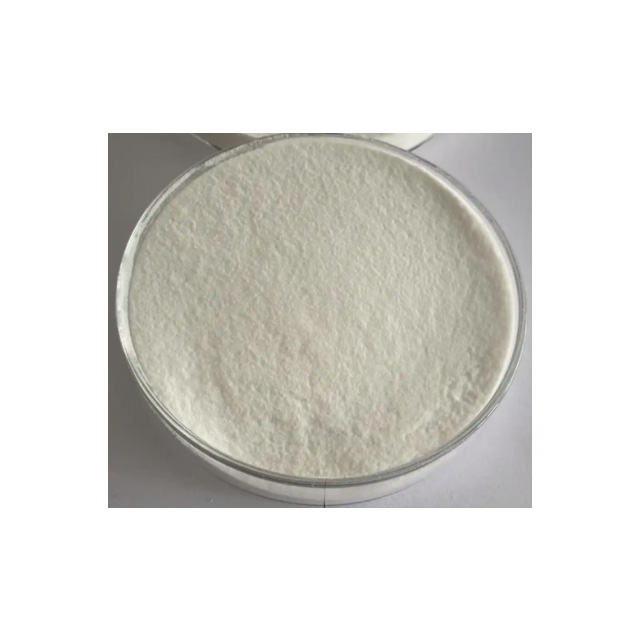
Unstabilized PVC degrades rapidly at the high temperatures required for processing. This thermal breakdown leads to structural failure, severe discoloration, and massive amounts of wasted material. For manufacturers, selecting the right PVC Stabilizer is not just a basic chemical necessity. It is a highly critical business decision. Your choice directly impacts production yields, end-product compliance, and overall factory profitability. Processing issues quickly erode profit margins when these underlying formulations fail.
This guide bypasses basic chemistry to provide a practical, decision-stage framework. You will learn how to confidently evaluate, select, and implement the optimal stabilizer for your specific extrusion or molding lines. We will explore exactly how these additives function under extreme heat. We will also examine modern compliance requirements, review the major chemical categories available today, and highlight the formulation risks you must monitor during production trials.
Key Takeaways
Core Function: PVC stabilizers prevent thermal degradation (dehydrochlorination) during processing and extend the lifespan of the final product.
Formulation vs. Flexibility: Unlike plasticizers that add flexibility, stabilizers preserve the structural and chemical integrity of the polymer matrix.
Regulatory Shift: Global compliance (RoHS, REACH) is forcing a rapid industry transition from legacy lead-based systems to eco-friendly Calcium-Zinc (Ca-Zn) and highly efficient Organotin stabilizers.
The Core Function: What Exactly Is a PVC Stabilizer?
Processing PVC requires intense heat and mechanical friction. You typically melt the resin at temperatures between 160°C and 210°C. At these extreme temperatures, the polymer structure faces immense stress. The resin begins to release hydrochloric acid (HCl). This release triggers a destructive chain reaction called dehydrochlorination. The polymer chains break down rapidly. A high-quality PVC Stabilizer chemically neutralizes this acid. It halts the degradation loop and protects the polymer structure.
Clarifying Buyer Confusion: Stabilizers vs. Plasticizers
Many procurement teams confuse stabilizers with plasticizers. They serve completely different functions in a formulation.
Plasticizers: These function as intermolecular lubricants. They make rigid PVC flexible and soft. You need them to manufacture cables, synthetic leather, and garden hoses.
Stabilizers: These act as heat and light protectants. You require them in both rigid and flexible PVC formulations. They do not alter the material's intended physical state. Instead, they preserve it.
The Business Framing
You should frame your stabilizer selection as a manufacturing insurance policy. It protects your operation against batch failures, unplanned machine downtime, and post-market product recalls. A single failed extrusion batch wastes expensive resin, consumes unnecessary energy, and burns valuable labor hours. By investing in the correct protective additives upfront, you secure your production throughput and protect your brand reputation in the market.
Why Stabilizers Are Critical to Manufacturing Outcomes
The right chemical additives directly dictate the success or failure of your manufacturing runs. Their impact stretches from the factory floor to the final installation site.
Preventing Thermal Degradation
Thermal degradation presents an immediate visual failure. When PVC burns in the extruder, it discolors rapidly. The material turns yellow, then brown, and eventually black. This discoloration ruins the aesthetic value of the final product. Furthermore, burned PVC becomes highly brittle. It loses its structural integrity. Preventing these thermal "burns" saves you tremendous amounts of money. It drastically reduces your scrap rates and minimizes wasted raw materials.
Enhancing Mechanical Properties and Weatherability
Beyond factory processing, stabilizers ensure the long-term field performance of the product. They help maintain essential tensile strength. They also provide vital UV resistance for outdoor applications. Products like water pipes, window profiles, and exterior siding face constant sunlight and temperature fluctuations. Without robust stabilization, these products would crack, warp, or shatter within just a few years of outdoor exposure.
Process Optimization
An optimized PVC Stabilizer widens your processing window. The processing window is the temperature and time range where the resin melts perfectly without degrading. A wider window gives your machine operators more flexibility. It allows them to increase line speeds without risking material breakdown. Faster line speeds directly boost your daily production capacity. This optimization lowers your operational bottlenecks and maximizes your factory equipment utilization.
Main Types of PVC Stabilizers: A Solution Framework
The global market offers several distinct chemical families of stabilizers. You must match the stabilizer type to your specific application and regional compliance laws.
Calcium-Zinc (Ca-Zn) Stabilizers
Calcium-Zinc systems represent the modern standard for eco-friendly manufacturing. They dominate the transition away from heavy metals.
Best for: Eco-friendly applications, potable water pipes, medical tubing, wires, and cables.
Pros: They are completely non-toxic. They comply with strict global environmental regulations like REACH and RoHS. They also provide excellent color hold during processing.
Cons: They can require complex formulation adjustments. You often have to rebalance your lubricants to match the processing ease of legacy heavy metals.
Organotin (Tin) Stabilizers
Organotin stabilizers offer unparalleled efficiency and clarity. They are highly favored in advanced rigid applications.
Best for: Rigid PVC packaging, transparent films, blister packs, and premium construction materials.
Pros: They deliver exceptional dynamic heat stability. They also provide unmatched optical clarity and transparency.
Cons: They carry a higher upfront material cost. They can also present specific odor considerations in certain flexible applications.
Lead-Based Stabilizers (Legacy)
Lead systems dominated the industry for decades. However, health and environmental concerns have largely ended their use.
Best for: Historically used in high-volume pipes and electrical cables.
Pros: They are highly cost-effective. They offer superb electrical resistance and process easily.
Cons: They face severe global regulatory bans due to extreme toxicity. They are actively being phased out worldwide.
Liquid Mixed Metal Stabilizers (e.g., Barium-Zinc)
These liquid systems cater specifically to the flexible PVC market.
Best for: Flexible PVC applications such as calendered films, flooring, and synthetic leather.
Pros: They deliver excellent initial color retention. They also exhibit high compatibility with various liquid plasticizers.
Summary Chart: Stabilizer Performance Comparison
Stabilizer Type
Primary Advantage
Key Limitation
Regulatory Status
Calcium-Zinc (Ca-Zn)
Non-toxic, excellent color hold
Requires careful lubricant balancing
Globally compliant (REACH/RoHS)
Organotin (Tin)
Unmatched clarity, high heat stability
Higher initial material cost
Compliant (varies by specific tin type)
Lead-Based
Low cost, high electrical resistance
Highly toxic to humans and environment
Banned or phasing out globally
Liquid Barium-Zinc
Excellent plasticizer compatibility
Mainly restricted to flexible applications
Generally compliant with restrictions
Key Evaluation Criteria for Shortlisting Stabilizers
Selecting a stabilizer requires a systematic approach. You cannot simply buy the cheapest option. You must evaluate four critical dimensions before making a purchase.
Application Requirements (Features-to-Outcomes) You must define the exact physical requirements of your end-product. Does the product require perfect optical clarity? If so, you will heavily favor Tin stabilizers. Does it require high electrical insulation for wiring? In that case, you will look toward specific Ca-Zn blends designed for cables. Match the chemical property to the desired commercial outcome.
Regulatory and Compliance Demands You must map your stabilizers against specific regional and industry standards. If you export to Europe, you must meet REACH and RoHS directives. If you manufacture food-contact packaging, you need FDA approval. If you produce potable water pipes, you must secure NSF certification. Failing to align with these standards invites legal penalties and massive product recalls.
Thermal History and Processing Conditions Evaluate the dynamic heat stability based on your factory floor reality. Consider your specific machinery. A twin-screw extruder applies different shear rates than a single-screw extruder. You must also calculate the expected residence time. Residence time is how long the resin stays hot inside the barrel. Longer residence times demand much stronger thermal protection.
Synergy with Other Additives A PVC Stabilizer never works alone. You must assess how it interacts with other ingredients in your blend. It must harmonize with internal lubricants, external lubricants, impact modifiers, and fillers like Calcium Carbonate. Incompatible additives can neutralize each other. They create antagonistic effects that ruin the final product.
Implementation Realities and Formulation Risks
Theoretical chemistry often clashes with factory floor realities. Implementing a new stabilizer system introduces specific manufacturing risks. You must anticipate these challenges to ensure a smooth transition.
The Transition Risk: Moving from Lead to Calcium-Zinc
Many manufacturers are currently transitioning from legacy lead to modern Ca-Zn systems. You must acknowledge a hard truth: dropping a Ca-Zn stabilizer into an old lead formulation rarely works one-to-one. Lead inherently acts as its own lubricant during processing. Ca-Zn does not. When you make the switch, you must completely rebalance your internal and external lubricants. Failing to adjust your waxes and stearates will cause severe sticking, high torque on the extruder, and eventual material burning.
Managing Plate-Out Issues
Plate-out is a frustrating mechanical issue. It occurs when incompatible additives migrate out of the hot melt. They gradually build up on extrusion dies, sizing sleeves, and calibration tools. This waxy buildup causes surface scratches on your finished product. It forces operators to shut down the line repeatedly for cleaning. You mitigate plate-out by achieving a precise balance between your stabilizer, resins, and external lubricants. High-quality systems use specialized compatibilizers to keep additives trapped safely inside the polymer matrix.
Best Practices & Common Mistakes
Best Practice: Always perform a Congo Red test before full-scale production. This static heat test measures exactly how many minutes your formulation can withstand high heat before releasing HCl gas. It provides a reliable baseline for thermal stability.
Common Mistake: Rushing directly into full-scale production without dynamic milling tests. A static oven test does not simulate extruder friction. You must test the formulation on a two-roll mill to observe how shear stress affects degradation over time.
Testing and Validation Protocols
Never run a new formulation blind. We strongly recommend implementing a rigorous pilot-scale testing protocol. Use dynamic milling tests to evaluate color shift and thermal stability under friction. Run small batch trials on pilot extruders. Monitor the torque, melt pressure, and surface finish closely. Validate the physical properties of the trial output before approving a full-scale factory rollout.
How to Evaluate and Choose a PVC Stabilizer Partner
Your chemical supplier should function as a strategic partner, not just a transactional vendor. The right partner helps you navigate complex formulation challenges.
Custom Formulation Capabilities
Avoid suppliers who push one-size-fits-all products. True experts understand that every factory has unique machinery and resin sources. Look for vendors who offer tailored "One-Pack" systems. A One-Pack combines the stabilizer, lubricants, and processing aids into a single, dust-free pre-blend. They should optimize this package specifically for your localized resin grades and extruder configurations.
Technical Support and Troubleshooting
Prioritize partners who provide robust field support. Formulation transitions are highly technical. You want a vendor willing to send their chemical engineers to your factory floor. They should assist with on-site troubleshooting during initial trial runs. They can help adjust machine temperatures, tweak feed rates, and resolve unexpected plate-out issues in real-time.
Supply Chain Consistency
Assess the vendor's raw material sourcing and manufacturing standards. You need absolute batch-to-batch consistency. Request transparency regarding their Certificate of Analysis (COA) protocols. Ensure they hold the necessary ISO certifications and global compliance documents. Inconsistent stabilizer batches will force your operators to constantly adjust machine settings, destroying factory efficiency.
Conclusion
PVC stabilizers act as fundamental process enablers. They do far more than just prevent burning. They directly dictate your product's market viability, your factory's production efficiency, and your brand's legal compliance. Moving away from outdated legacy systems toward modern, compliant alternatives protects both your profit margins and the environment.
Take immediate action by auditing your current formulations. If you still rely on heavy metal systems, or if you struggle with high scrap rates, it is time for an upgrade. Contact a specialized technical partner today. Request a custom sample and initiate a pilot trial for a modernized, highly efficient stabilizer system tailored to your exact production line.
FAQ
Q: What is the difference between a heat stabilizer and a UV stabilizer in PVC?
A: A heat stabilizer protects the PVC from thermal degradation during the intense heat and friction of the manufacturing process. It prevents burning in the extruder. A UV stabilizer, conversely, protects the finished product from sunlight and weathering after installation. You need heat stabilizers for manufacturing, and UV stabilizers for outdoor longevity.
Q: Are modern PVC stabilizers toxic?
A: Historically, lead-based stabilizers were highly toxic. However, the industry has phased them out globally. Modern alternatives, such as Calcium-Zinc and specific Organotin stabilizers, are highly safe. Many formulations are fully non-toxic and carry FDA approvals for food packaging and NSF certifications for drinking water applications.
Q: How much stabilizer is typically required in a PVC formulation?
A: The exact dosage varies heavily based on the application and stabilizer type. Typically, manufacturers use between 1.5 and 5.0 PHR (Parts Per Hundred Resin). Rigid applications with long processing times usually require higher PHR levels. Always consult your chemical supplier for the optimal dosage tailored to your machinery.
Nanjing MSN Chemical Co., Ltd. is a professional chemical company specializing in the global distribution of high-quality chemical products. With 20 years of industry expertise, we are committed to providing innovative solutions and reliable services to meet the diverse needs of our clients worldwide.