In commercial food and beverage formulation, achieving the precise balance of sweetness and aroma requires highly specific flavor enhancers, where even minor molecular differences dramatically alter the sensory outcome. Formulators and procurement teams must choose between maltol and ethyl maltol. This decision impacts not only the final flavor matrix (caramel vs. fruity) but also dictates dosage requirements, solubility limits, cost-in-use, physical handling in processing plants, and clean-label compliance (natural vs. synthetic). This guide provides a technical evaluation of Ethyl Maltol vs Maltol, comparing their sensory profiles, physical properties, application suitability, and regulatory implications to help product development teams make an evidence-based selection.
Sensory Divergence: Maltol imparts warm, bready, and caramelized notes ideal for chocolates and baked goods, whereas ethyl maltol delivers intense, jammy-fruit and cotton-candy tones suited for fruit-flavored and sweet confectionery products.
Potency and Dosage: The addition of an ethyl group makes ethyl maltol significantly more potent than maltol (often 4 to 6 times stronger), requiring much lower dosages to achieve the desired sweetness threshold.
Sourcing and Labeling: Maltol can be naturally extracted (from barley, soybeans, or pine needles), supporting "natural flavor" claims. Ethyl maltol is exclusively synthetically manufactured.
Solubility and Physical Form: Ethyl maltol offers superior solubility in alcohol and propylene glycol compared to maltol, making it highly advantageous for liquid flavor concentrates. Both compounds are available in distinct physical forms (powder, crystalline needles, and granules) that impact dissolution rates in manufacturing.
Chemical Structure and Core Properties
Molecular Differences (The Ethyl Group)
The fundamental distinction between these two compounds lies in a single structural shift. Maltol is chemically known as 3-hydroxy-2-methyl-4H-pyran-4-one. Ethyl maltol is 2-ethyl-3-hydroxy-4H-pyran-4-one. The substitution of a methyl group with an ethyl group on the pyranone ring fundamentally alters how the molecule interacts with human olfactory and gustatory receptors. This structural change increases the molecule's lipophilicity. Enhanced lipophilicity improves receptor binding affinity. Consequently, the sensory detection threshold drops significantly. Formulators notice that the ethyl variant projects much stronger volatile aromas. The heavier ethyl group also shifts the aromatic profile away from toasted notes toward sharper, sweeter frequencies.
When working on the bench, you will immediately notice the difference in volatility. The methyl group in maltol keeps the aroma grounded, requiring higher heat or concentration to fully release its aromatic potential. The ethyl group, however, allows the molecule to vaporize more readily at room temperature. This means ethyl maltol hits the olfactory bulb faster and with greater intensity, which explains its dominance as a top-note enhancer in rapid-consumption items like hard candies and vape liquids.
Sourcing and Synthesis (Natural vs. Artificial)
Sourcing dictates how these compounds fit into modern clean-label formulations. Natural maltol occurs as a byproduct of the Maillard reaction. It develops naturally during the roasting of malt, barley, and cocoa beans. Extraction facilities also isolate natural maltol from pine needles and certain soybean fermentation processes. This natural extraction pathway allows food manufacturers to maintain strict natural flavor declarations on their ingredient panels. The extraction process often involves steam distillation followed by solvent extraction and crystallization, yielding a highly pure natural product.
Conversely, ethyl maltol relies entirely on chemical synthesis. Industrial production typically involves complex chemical pathways starting from furfural or similar precursors, utilizing Grignard reactions to attach the defining ethyl group. Because it does not occur in nature, ethyl maltol remains strictly classified as an artificial flavor. This synthetic origin ensures high supply chain consistency and stable raw material availability. It restricts its use in product lines demanding entirely natural ingredient lists, but guarantees a uniform product free from the seasonal variations that can affect natural maltol extracts.
Physical Grades and Forms in Manufacturing
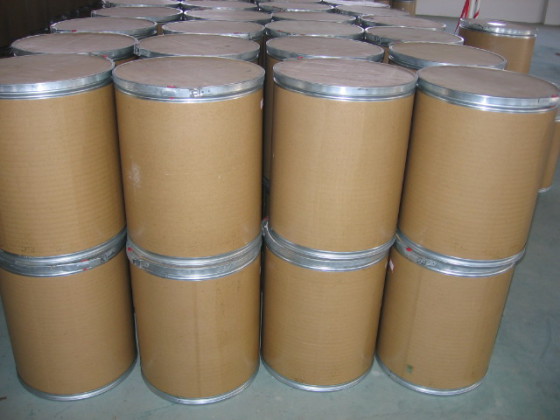
Both flavor enhancers arrive at processing facilities in various physical forms. Manufacturers supply them as needle-like crystals, fine powders, or granular formats. Needle-like crystals offer high purity and excellent visual identification, but they dissolve slower in cold liquids. Fine powders provide rapid dissolution rates. Powders create significant dust mitigation challenges in dry-blending facilities. Airborne fine powder requires specialized ventilation to protect workers and prevent cross-contamination in the plant.
Granular forms strike a practical balance. They flow freely through industrial hoppers and resist caking during prolonged storage in humid environments. Granules reduce airborne dust while maintaining acceptable dissolution speeds in heated vats. Formulators must match the physical grade to their specific processing equipment. A dry beverage mix benefits from fine powder for homogeneous blending. A liquid syrup manufacturing line might prefer granules or crystals added directly to a heated solvent phase.
Physical Form
Dissolution Speed
Dust Generation
Best Application
Fine Powder
Fast
High
Dry beverage mixes, rapid-mix tanks
Granular
Medium
Low
Industrial hoppers, humid environments
Needle Crystals
Slow
Very Low
Heated solvent phases, high-purity needs
Sensory Profiles: Ethyl Maltol vs Maltol
Maltol: Warm, Bready, and Caramel Notes
Maltol delivers a distinct olfactory and gustatory experience characterized by warm, bready, and caramelized notes. It mimics the comforting aroma of freshly baked bread, toasted sugar, and roasted nuts. In formulation, maltol acts as a rounding agent. It smooths out harsh, astringent notes found in certain botanical extracts or raw cocoa. It enhances the perception of richness and mouthfeel without overpowering the primary base flavor.
Despite its rounding capabilities, maltol exhibits a "fruity deficit." It lacks the highly volatile esters necessary to push vibrant berry, citrus, or tropical fruit profiles forward. When added to a strawberry beverage, maltol might make the drink taste more like strawberry jam or baked strawberry pie rather than fresh, ripe fruit. It pulls the flavor profile toward cooked or caramelized territories. This makes it an excellent choice for brown flavors like coffee, vanilla, and chocolate, where a cooked or roasted profile is desirable.
Ethyl Maltol: Intense Sweetness and Fruity/Cotton-Candy Tones
Ethyl maltol provides a high-impact sweetness profile. It functions exceptionally well as a top-note booster. The sensory experience is dominated by intense, jammy-fruit, and cotton-candy tones. It projects a sharp, vivid sweetness that immediately hits the palate. This intense projection makes it highly effective at elevating fruity esters in a formulation. It makes berry flavors taste riper and citrus flavors taste sweeter and more pronounced.
Beyond boosting fruit notes, ethyl maltol excels at masking bitter off-notes. Formulators frequently use it to cover the metallic or bitter aftertastes associated with high-intensity artificial sweeteners, functional botanical extracts, and added vitamins. A tiny fraction of ethyl maltol distracts the palate, allowing the desired sweet and fruity notes to dominate the sensory experience. It is particularly effective in masking the lingering bitterness of stevia and monk fruit extracts in zero-sugar beverage formulations.
Formulation and Application Suitability
Optimal Food Applications for Maltol
Maltol performs best in applications where warm, roasted, or dairy notes need enhancement. In chocolate and cocoa products, it mitigates inherent cocoa bitterness while boosting perceived dairy richness. It improves the overall mouthfeel, making low-fat chocolate formulations taste creamier. It also helps to standardize the flavor profile of cocoa beans sourced from different regions, ensuring a consistent product batch after batch.
Baked goods and dairy products represent another prime application category. Maltol amplifies vanilla, caramel, and butter notes in cookies, cakes, and pastries. In ice cream manufacturing, it helps overcome the flavor-dulling effect of freezing temperatures. It pushes the warm vanilla and caramel notes forward, ensuring the consumer experiences a full flavor profile despite the cold serving temperature. It also works well in savory applications like barbecue sauces and marinades, where it enhances the perception of slow-cooked, caramelized sugars.
Optimal Food Applications for Ethyl Maltol
Ethyl maltol dominates applications requiring bright, sharp sweetness and fruit enhancement. In fruit juices and beverages, it boosts the perception of ripe fruit. It effectively masks the astringency of added acids or functional ingredients. Beverage formulators use it to create a juicier, more mouth-watering profile. It is a staple in the formulation of energy drinks, where it helps to cover the harsh notes of caffeine, taurine, and B-vitamins.
Confectionery and hard candies rely heavily on ethyl maltol. These low-moisture environments require high-impact flavors to register on the palate. Ethyl maltol delivers the necessary vivid sweetness. Furthermore, vape liquids and concentrated syrups leverage its high solubility in alcohol and propylene glycol. This allows manufacturers to create highly concentrated flavor payloads that deliver consistent sensory impact upon dilution or vaporization.
Cross-Industry Synergies: Flavor vs. Fragrance (Perfumery Applications)
These compounds exhibit fascinating behaviors in vaporous and volatile applications, crossing over from food into fine perfumery. Ethyl maltol serves as a foundational ingredient in modern gourmand fragrances. Its massive projection and distinct cotton-candy profile create sweet, edible auras in perfumes. It diffuses rapidly and leaves a strong, sweet sillage.
Maltol also finds use in fragrance design, but for different purposes. Perfumers utilize maltol for subtle, warm dry-downs. It provides a comforting, caramelized base note that sits closer to the skin. While ethyl maltol shouts with bright, spun-sugar intensity, maltol whispers with toasted, baked-good warmth. Understanding this volatility difference helps food formulators predict how these aromas will behave when a consumer first opens a beverage bottle or un-wraps a candy.
Technical Evaluation: Dosage, Solubility, and Yield
Potency and Dosage Ratios (Cost-in-Use)
Dosage rates differ drastically between the two compounds. Maltol typically requires higher usage rates, often ranging from 50 to 250 parts per million (ppm) depending on the food category. Ethyl maltol, due to its enhanced receptor binding, operates at much lower concentrations. Standard usage rates for ethyl maltol often fall between 10 and 50 ppm.
This potency difference directly impacts cost-in-use calculations. Ethyl maltol generally carries a higher purchasing price per kilogram. Because it is 4 to 6 times more potent than maltol, the actual cost per batch is frequently lower. Procurement teams must calculate the specific yield based on the required ppm rather than simply comparing raw material unit costs. Over-dosing ethyl maltol not only ruins the flavor profile but also wastes expensive raw materials.
Application Category
Typical Maltol Dosage (ppm)
Typical Ethyl Maltol Dosage (ppm)
Baked Goods
100 - 250
20 - 50
Beverages (Fruit)
50 - 100
10 - 30
Confectionery
150 - 300
30 - 60
Dairy / Ice Cream
100 - 200
15 - 40
Solubility in Water, Alcohol, and Propylene Glycol
Solubility characteristics dictate how formulators incorporate these compounds into production batches. Both compounds exhibit limited solubility in cold water, necessitating specific handling procedures. Ethyl maltol demonstrates superior solubility in organic solvents compared to maltol.
Solvent (at 25°C)
Maltol Solubility
Ethyl Maltol Solubility
Water
Approx. 1.2 g / 100 mL
Approx. 1.5 g / 100 mL
Ethanol (Alcohol)
Approx. 3.0 g / 100 mL
Approx. 10.0 g / 100 mL
Propylene Glycol (PG)
Approx. 5.0 g / 100 mL
Approx. 15.0 g / 100 mL
The higher solubility of ethyl maltol in ethanol and propylene glycol makes it highly advantageous for creating liquid flavor concentrates and emulsions. Flavor houses can pack more active ingredient into a smaller volume of solvent. This reduces shipping costs and minimizes the amount of solvent introduced into the final food product. It also prevents crystallization in concentrated syrups stored at lower temperatures.
Thermal Stability in Processing
Thermal stability is critical for products undergoing high-heat processing like baking, extrusion, pasteurization, or Ultra-High Temperature (UHT) treatment. Both maltol and ethyl maltol exhibit excellent thermal stability under standard processing conditions. They survive baking temperatures and UHT pasteurization without significant flavor degradation.
Formulators must monitor potential Maillard interactions. Because maltol contains a free hydroxyl group on the pyranone ring, it can participate in browning reactions when exposed to high heat in the presence of amino acids. This can lead to slight color shifts in clear beverages or light-colored baked goods. Ethyl maltol is generally more stable against unwanted browning, maintaining color neutrality in high-heat applications. This makes ethyl maltol the preferred choice for clear, fruit-flavored beverages undergoing thermal processing.
Regulatory, Labeling, and Compliance Factors
"Natural Flavor" Claims and Clean Label Trends
Regulatory frameworks heavily influence ingredient selection. Under FDA (21 CFR 101.22) and EU guidelines, maltol extracted from natural sources (like roasted barley or pine needles) qualifies for "natural flavor" labeling. This aligns perfectly with consumer demands for clean-label products. Brands can leverage natural maltol to enhance sweetness and mouthfeel without introducing synthetic chemical names to their ingredient lists.
Ethyl maltol faces strict classification as an artificial or synthetic flavor. Because it does not exist in nature and requires chemical synthesis, it cannot be labeled as natural under any major regulatory body. Utilizing ethyl maltol forces a product into the "artificially flavored" category. Formulators must weigh the intense sensory benefits and cost savings of ethyl maltol against the marketing limitations of artificial labeling. In many fruit-flavored candies and sodas, the artificial label is acceptable to consumers, making ethyl maltol the logical choice.
Global Safety and Compliance Status
Both compounds enjoy widespread regulatory approval for food use. They hold GRAS (Generally Recognized as Safe) status in the United States. The Flavor and Extract Manufacturers Association (FEMA) assigns specific identification numbers to both additives, facilitating global trade and formulation tracking. The European Food Safety Authority (EFSA) has evaluated both compounds and established safe daily intake levels. Provided manufacturers adhere to established Good Manufacturing Practices (GMP) and stay within recommended ppm limits, both ingredients present no safety compliance hurdles.
Implementation Risks and Mitigation in Formulation
Over-dosing and Flavor Muting (The "Maltol Effect")
A common formulation error involves over-dosing these high-impact compounds. Exceeding the optimal ppm threshold leads to a phenomenon known as flavor muting. Instead of increasing sweetness or aroma, excessive amounts suppress the overall flavor profile. The product begins to taste flat, chemical, or overly cloying. The delicate top notes disappear under a heavy, synthetic blanket.
Mitigating this risk requires strict discipline during the R&D phase. Formulators must implement step-wise sensory panels. Utilizing micro-dosing techniques helps pinpoint the exact threshold where enhancement peaks before muting begins. Always start at the lowest recommended ppm and scale up incrementally, allowing the palate to rest between evaluations to prevent receptor fatigue.
Establish a baseline flavor profile without any enhancer.
Prepare a 1% solution of the enhancer in propylene glycol for precise dosing.
Dose the base product in 5 ppm increments.
Conduct blind sensory evaluations after each addition.
Identify the peak enhancement level and set the production specification 10% below this peak to account for batch variations.
Managing Solubility Issues in High-Water Matrices
Introducing either compound directly into cold, high-water beverage matrices often results in failure. The limited aqueous solubility causes crystallization. The flavor enhancer drops out of solution, settling at the bottom of the mixing vat. This leads to uneven flavor distribution, where some bottles receive zero enhancement while others receive a concentrated, bitter dose.
To prevent crystallization, manufacturers must utilize proper incorporation techniques. Pre-dissolving the powder or crystals in warm water significantly increases the dissolution rate. Alternatively, formulators can utilize approved co-solvents. Dissolving the compound in a small amount of propylene glycol or ethanol creates a stable concentrate. This liquid concentrate then disperses uniformly when introduced to the main cold aqueous batch.
Calculate the total required mass of the flavor enhancer for the batch.
Select an appropriate food-grade solvent (warm water, PG, or ethanol).
Heat the solvent to 40°C - 50°C to maximize solubility.
Slowly agitate the enhancer into the solvent until completely dissolved and visually clear.
Introduce the concentrate into the main mixing vat under high shear agitation.
Conclusion
The choice between maltol and ethyl maltol hinges on several critical formulation parameters. Formulators must evaluate the desired sensory profile, balancing bready and caramel notes against bright, fruity sweetness. Physical processing constraints, specifically solubility requirements in the chosen solvent base, dictate which compound handles better on the production floor. Marketing objectives regarding clean-label and natural flavor claims often serve as the ultimate deciding factor.
When finalizing your formulation strategy, apply this shortlisting logic. Select maltol for clean-label initiatives, baked goods, dairy applications, and chocolate profiles where subtle, warm, and caramelized enhancement is required. Select ethyl maltol for high-impact fruit flavors, cost-sensitive high-yield formulations, perfumery crossover projects, and applications requiring high solubility in alcohol or propylene glycol.
Request technical data sheets (TDS) and physical samples from your suppliers to verify purity and physical form.
Conduct benchtop solubility tests using your specific product matrix and processing temperatures.
Execute step-wise sensory evaluations starting at minimum ppm levels to identify the optimal dosage and avoid flavor muting.
Review your final ingredient panel requirements with your regulatory team to ensure compliance with natural or artificial labeling goals.
FAQ
Q: Can you substitute ethyl maltol for maltol in a recipe?
A: Direct 1:1 substitution is not possible due to ethyl maltol's higher potency and different flavor profile. Ethyl maltol is 4 to 6 times stronger. If substituting, you must significantly reduce the dosage and conduct sensory evaluations to account for the shift from caramel notes to fruity, cotton-candy tones.
Q: Which is sweeter: maltol or ethyl maltol?
A: Ethyl maltol is perceived as significantly sweeter. The addition of the ethyl group increases receptor binding affinity, making ethyl maltol 4 to 6 times more potent and sweeter on the palate compared to standard maltol.
Q: Is ethyl maltol considered a natural ingredient?
A: No. Ethyl maltol is artificially synthesized and does not occur in nature. It must be labeled as an artificial or synthetic flavor. Maltol, however, can be naturally extracted and labeled as a natural flavor.
Q: What is the difference between needle crystal, powder, and granular ethyl maltol?
A: These physical forms share the exact same chemical profile but differ in handling properties. Powders dissolve fastest but create airborne dust. Crystals offer high purity but dissolve slower. Granules provide a balance, flowing easily in machinery without caking or creating excessive dust.
Q: What is the standard dosage for ethyl maltol in beverages?
A: Standard dosage typically ranges from 10 to 50 parts per million (ppm). The exact amount varies based on the beverage matrix, the presence of other sweeteners, and the specific fruit notes you intend to enhance.
Q: Why does my formulation taste flat after adding maltol?
A: This indicates flavor muting caused by over-dosing. Exceeding the optimal threshold suppresses volatile top notes, making the product taste flat or chemical. Reduce the ppm concentration to restore the intended flavor balance.
Q: How do I dissolve maltol for cold liquid applications?
A: Maltol has poor solubility in cold water. To prevent crystallization, pre-dissolve the maltol in warm water or use an approved food-grade co-solvent like propylene glycol or ethanol before adding it to the cold liquid batch.
Nanjing MSN Chemical Co., Ltd. is a professional chemical company specializing in the global distribution of high-quality chemical products. With 20 years of industry expertise, we are committed to providing innovative solutions and reliable services to meet the diverse needs of our clients worldwide.