1. Introduction
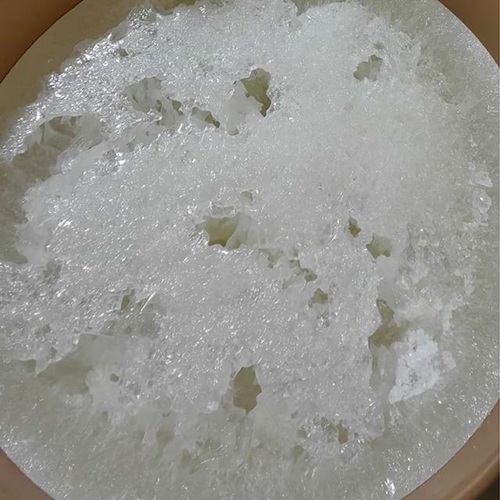
Smart drug delivery systems are transforming healthcare. They promise targeted treatments, minimizing side effects and improving outcomes. A key player in this revolution is high-purity N-Vinylcaprolactam (NVCL).
In this article, we will explore how NVCL enhances nanoparticle drug delivery, improves drug stability, and enables precise targeting. You will learn how it is reshaping the future of medicine.
2. Overview of N-Vinylcaprolactam (NVCL)
2.1 Chemical Properties of NVCL
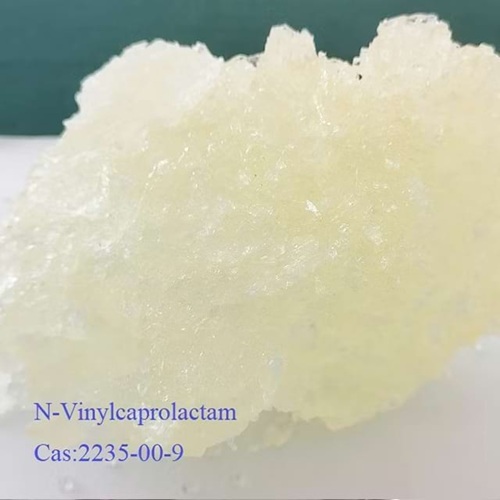
N-Vinylcaprolactam (NVCL) is a highly versatile polymer monomer known for its unique chemical structure, which allows it to participate in a variety of chemical reactions. Its molecular formula is C6H9NO, and it contains a vinyl group attached to the caprolactam ring, making it reactive in polymerization processes. NVCL is a cyclic amide compound, meaning it has a structure that can easily undergo polymerization, forming long polymer chains that are essential for creating high-performance materials used in various industries.
In drug delivery systems, NVCL’s chemical properties offer a distinct advantage. It acts as a highly effective monomer in forming hydrophilic and hydrophobic polymers, which are essential in drug encapsulation. The vinyl group facilitates cross-linking with other monomers, allowing the creation of complex polymeric structures, such as nanoparticles, that can carry therapeutic agents to targeted locations in the body. NVCL-based polymers are particularly useful in controlled drug delivery systems because of their ability to stabilize drugs and protect them from degradation, ensuring their effective release over time.
Tip: For businesses in the pharmaceutical industry, integrating NVCL-based polymers into drug delivery systems can significantly improve drug stability and targeting precision.
2.2 Manufacturing and Standards of High-Purity NVCL
The production of high-purity NVCL is a highly controlled process that involves careful selection of raw materials and strict quality control measures. High-purity NVCL is crucial for applications in drug delivery because impurities can interfere with its polymerization properties, affecting the final product's stability and performance. Typically, NVCL is synthesized using specific catalytic processes that remove undesired byproducts, ensuring that the final monomer is free from contaminants that could negatively impact the drug delivery process.
High-purity NVCL plays a vital role in the precision and effectiveness of drug delivery systems. When used in nanoparticle formation or polymerization, the quality of NVCL directly affects the consistency of the drug release profiles and the ability of the polymer to target specific tissues or organs. By maintaining high purity, manufacturers can ensure that their drug delivery systems perform optimally, delivering drugs at the right time and in the right amounts.
3. Applications of High-Purity N-Vinylcaprolactam in Smart Drug Delivery
3.1 Role of High-Purity NVCL in Nanoparticle Drug Delivery Systems
High-purity N-Vinylcaprolactam (NVCL) plays a crucial role in the formation of nanoparticles used for advanced drug delivery. Its chemical structure enables the creation of nanoparticles that are not only stable but also highly effective in encapsulating drugs, which is essential for protecting the active pharmaceutical ingredients (APIs) from degradation. This encapsulation prevents the drugs from breaking down too early, ensuring that they reach their intended targets in the body without being prematurely released or altered.
NVCL’s ability to form UV-curable nanoparticles makes it a powerful tool in the pharmaceutical industry. The UV-curing process allows for faster and more controlled solidification of nanoparticles, which is vital in reducing processing times and improving efficiency. Additionally, the physical properties of these nanoparticles—such as their size, surface charge, and shape—can be customized to optimize the delivery of specific drugs to target tissues, enhancing the bioavailability of the drugs.
Incorporating NVCL into nanoparticle formulations offers a significant advantage in improving solubility. Many drugs, especially hydrophobic ones, struggle with poor solubility, which can impede their effectiveness. NVCL improves solubility, allowing these drugs to be more easily absorbed and distributed throughout the body. Furthermore, NVCL nanoparticles can be modified to include targeting ligands, such as antibodies or small molecules, which direct the nanoparticles to specific cells or tissues. This targeted delivery ensures that the drug is released precisely where it is needed, minimizing the risk of side effects caused by off-target drug effects.
Table 1: Benefits of NVCL in Nanoparticle Drug Delivery
Feature | Advantage |
Bioavailability | Enhances solubility and stability of drugs |
Targeting Efficiency | Modifiable for specific cell or tissue targeting |
Stability | Protects drugs from degradation in the bloodstream |
Release Control | Allows for controlled and sustained drug release |
3.2 NVCL's Advantages in Polymer Drug Carrier Formation
One of the primary benefits of NVCL in drug delivery systems is its exceptional ability to form polymeric carriers, such as liposomes, microparticles, and nanospheres. These carriers are integral to controlled drug release mechanisms, which ensure that drugs are administered over an extended period rather than in a single burst. This is particularly advantageous for drugs that require sustained therapeutic levels in the body to maintain efficacy and minimize the frequency of administration.
NVCL’s unique properties make it ideal for creating stable polymers that encapsulate both hydrophilic and hydrophobic drugs, offering flexibility in drug formulations. NVCL polymers can protect sensitive drugs from environmental factors like light, oxygen, and temperature, all of which can degrade the active pharmaceutical ingredient before it reaches the target site. By providing stability to these drugs, NVCL-based polymers ensure that the active ingredient remains potent and effective upon release.
Moreover, NVCL’s role in enhancing drug solubility cannot be overstated. Many drugs, especially those that are poorly soluble, can be difficult to formulate for effective delivery. NVCL polymers improve the solubility of such drugs, allowing them to be delivered more efficiently and effectively. This increased solubility also enhances drug absorption, ensuring that patients receive the intended therapeutic dose.
3.3 Comparison of NVCL with Other Drug Delivery Systems
When compared to traditional drug delivery systems, NVCL-based formulations provide several distinct advantages that enhance both the efficiency and precision of drug delivery. Traditional drug delivery systems, such as oral tablets or injectable solutions, often require higher doses of the drug to achieve therapeutic effects. These systems also distribute the drug throughout the entire body, increasing the risk of side effects as the drug may affect healthy tissues or organs.
In contrast, NVCL-based nanoparticles and polymers allow for more precise control over drug release, which means that smaller doses can be used without sacrificing therapeutic effectiveness. This precise control not only reduces the potential for side effects but also improves patient compliance by minimizing the need for frequent dosages.
One of the most significant advantages of NVCL is its ability to target specific tissues or organs. Traditional drug delivery systems, due to their systemic nature, result in the distribution of the drug to unintended areas, often leading to unwanted effects. NVCL-based drug delivery systems, however, can be engineered with specific targeting mechanisms that direct the drug to particular cells, tissues, or even organs. This targeting capability is particularly beneficial in treating localized conditions, such as cancer, where the goal is to deliver high doses of therapeutic agents directly to tumor cells while sparing healthy surrounding tissues.
Moreover, NVCL-based systems offer enhanced stability, ensuring that the therapeutic agent remains active until it reaches the target site. This stability is particularly crucial for drugs that are sensitive to the body’s environment or that require controlled release over time.
Table 2: NVCL vs. Traditional Drug Delivery Systems
Feature | NVCL-Based System | Traditional System |
Dosage | Lower doses, more precise control | Higher doses often needed |
Targeting | Can be tailored to specific tissues or organs | Systemic distribution, leading to off-target effects |
Stability | Enhanced stability for sensitive drugs | Limited stability, especially for unstable compounds |
Side Effects | Reduced by targeted delivery | Increased due to systemic distribution |
4. Future Prospects of High-Purity N-Vinylcaprolactam in Clinical Applications
4.1 Application in Cancer Therapy
One of the most promising applications of NVCL in drug delivery is in cancer therapy. Cancer treatments often require precise drug delivery to target tumors while minimizing damage to surrounding healthy tissues. NVCL-based nanoparticles can be engineered to target cancer cells specifically, improving the efficacy of chemotherapy and reducing side effects.
NVCL's ability to form stable, biocompatible nanoparticles that can encapsulate chemotherapy drugs is particularly beneficial for cancer therapy. These nanoparticles can be designed to release their contents in a controlled manner, ensuring that the drug reaches the tumor in the right amount and at the right time. This targeted approach not only improves the effectiveness of chemotherapy but also reduces the risk of damage to healthy tissues.
4.2 Application in Immunotherapy
NVCL-based drug delivery systems also have significant potential in immunotherapy, particularly in organ transplantation and autoimmune diseases. NVCL’s versatility allows for the development of nanoparticles that can deliver immunosuppressive drugs directly to the target organ, reducing the risk of immune rejection while maintaining the body’s overall immune response.
For example, NVCL-based systems can be used to deliver drugs to specific immune cells, such as T cells or dendritic cells, modulating the immune response to prevent rejection without the need for broad immunosuppression. This can lead to better outcomes in organ transplantation by improving graft survival and minimizing the long-term side effects of immunosuppressive drugs.
4.3 Future Development and Challenges
The future of NVCL in drug delivery looks promising, but there are still challenges to overcome. Research is ongoing into optimizing NVCL-based drug carriers for a wider range of therapeutic applications. Some of the challenges include improving the scalability of NVCL-based formulations and overcoming issues related to manufacturing consistency.
The integration of NVCL with emerging technologies such as nanotechnology and gene editing also holds exciting potential. Future breakthroughs in these areas could lead to even more precise and effective drug delivery systems that target specific diseases at the cellular level.
5. Conclusion
High-purity N-Vinylcaprolactam (NVCL) plays a critical role in advancing smart drug delivery systems. It enhances drug delivery precision, improves targeting, and minimizes side effects. As future research explores new applications, NVCL will be key in driving personalized medicine. Products from Nanjing MSN Chemical Co., Ltd. provide significant value by improving drug stability and targeting, making them essential for efficient drug delivery solutions.
FAQ
Q: What is N-Vinylcaprolactam (NVCL) and how is it used in drug delivery?
A: N-Vinylcaprolactam (NVCL) is a polymer monomer used to create nanoparticles for smart drug delivery. It enhances drug stability, targeting, and bioavailability, ensuring controlled release and reducing side effects.
Q: How does N-Vinylcaprolactam (NVCL) improve drug delivery precision?
A: NVCL enhances drug delivery precision by forming stable polymeric carriers that target specific tissues or cells. This targeted approach improves therapeutic outcomes while minimizing off-target effects.
Q: Why is high-purity N-Vinylcaprolactam (NVCL) important in drug delivery?
A: High-purity NVCL ensures that the polymerization process is precise, leading to stable and effective drug carriers. This enhances the efficiency of drug delivery systems, particularly in controlled-release formulations.
Q: Can N-Vinylcaprolactam (NVCL) be used in cancer therapy?
A: Yes, NVCL is ideal for cancer therapy. It allows the creation of nanoparticles that can deliver chemotherapy drugs directly to tumor cells, improving treatment effectiveness and reducing side effects.
Q: What are the advantages of using N-Vinylcaprolactam (NVCL) in smart drug delivery systems?
A: NVCL-based systems offer enhanced solubility, stability, and targeted delivery. This makes NVCL an excellent choice for improving drug bioavailability and controlling release, resulting in more effective treatments.


